

7 Reasons Why You Should Read the Book of Revelation
“Behold, I make all things new.” Rev. 21:5

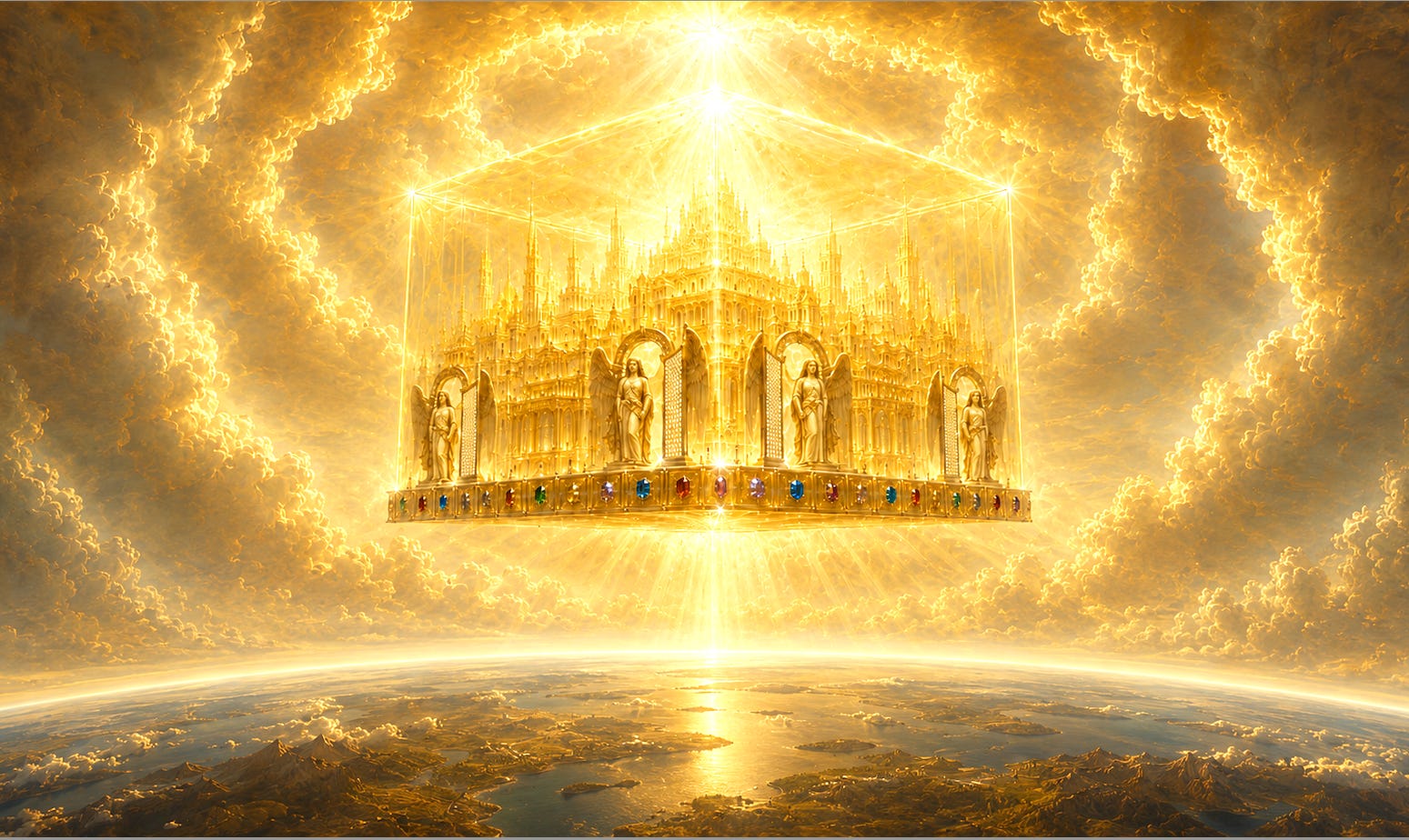
“And I saw the Holy City, the New Jerusalem, coming down out of Heaven from God. . . “ (Rev. 21:2)
By: Msgr. A. Robert Nusca ©
Is the Apocalypse really about the “End of the World”?
It’s fair to say that when most people think of the Book of Revelation, they tend to associate it with such images as “the Four Horsemen,” “the Number of the Beast” and “the End of the World.”
But a closer look at the Book shows us that there is much more going on.
1. As one world comes to an end, St. John’s visions lead us to reflect upon the arrival of “a New Heaven and a New Earth.”
Yes, one world will come to an end, but ours is a God who is in the process of making:
. . . All things New. (Rev. 21:5)
And so, as this world comes to an end and the Everlasting City – the New Jerusalem – looms ever larger upon the horizon, John calls us to make every effort to become “A New Creation” in Christ (see 2 Cor. 5:17).
By the life of faith and the power of the Holy Spirit, we can discover that new beginning which is already taking shape amid the sorrows and disorders of this passing world, as the lives of the Saints show us.
2. St. John’s message is one of Hope, more specifically, “Hope in a time of danger”.
Scholars point out that while the hope expressed in the writings of the Old Testament prophets tends to be a “hope in the future”, the hope expressed in the Book of Revelation and other apocalyptic writings is “hope in a time of danger”, hope in a time of crisis, hope in an era of failed conditions.
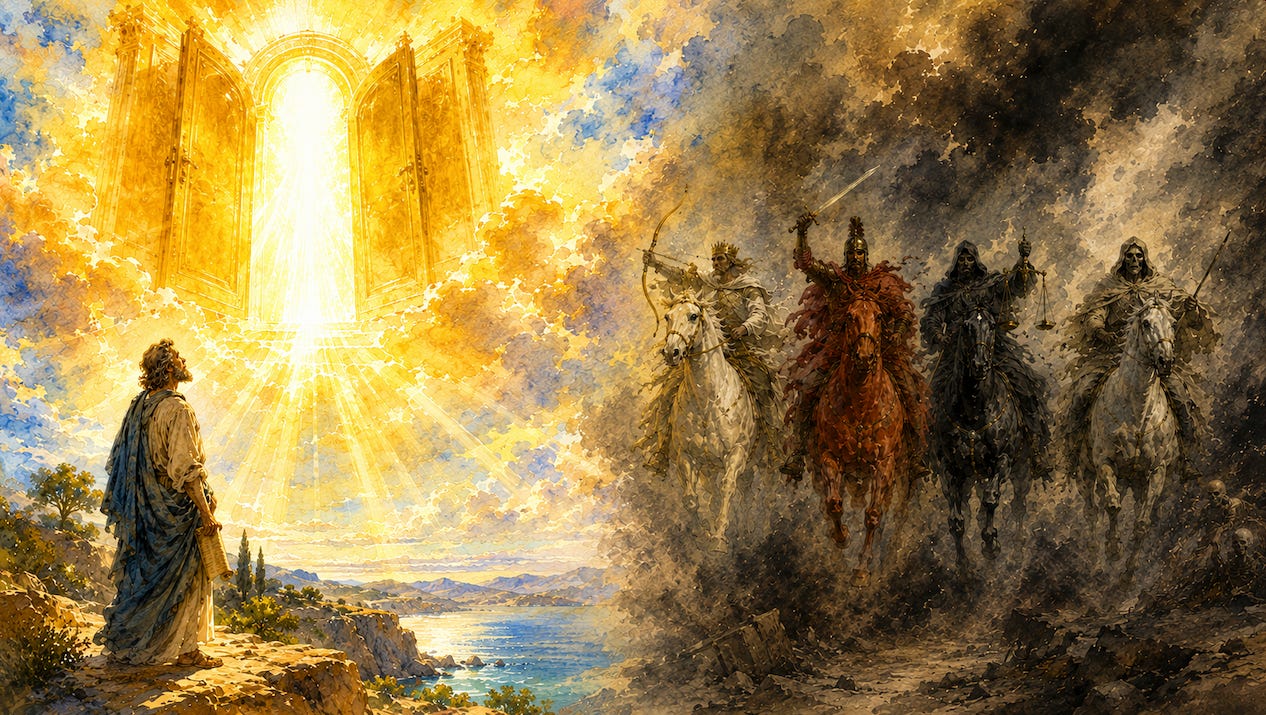
St. John’s Message of “Hope in a Dangerous Time.”
3. St. John’s visions reveal a world, but they also create a world.
For as one world falls apart and a new creation dawns, John the Prophet of Patmos, invites us to step into God’s world and to be transformed in the process. Ultimately, these visions offer us a place to stand amid the shifting sands of post-modern thought.
4. The Book of Revelation teaches us about Worship.
John calls us to Worship God and God alone, adoring God and the Lamb, and to do so alongside the angels in Heaven. For ultimately, we will be transformed according to what it is that we worship, as the commentators observe.
5. Spiritual Struggle in the Book of Revelation.
Beyond visions of the cosmic struggle between the forces of good and evil, we are led to reflect upon the spiritual struggle at work in the human heart.
The processes at work at a “macro-cosmic level” are also at work at the “micro-cosmic” level. Our entry into the Kingdom is already in the process of being won — or lost — in the here and now, in the ongoing struggles within our hearts.
I offer some reflection on this struggle between the forces of good and evil in my book “The Christ of the Apocalypse: Contemplating the Faces of Jesus in the Book of Revelation.”
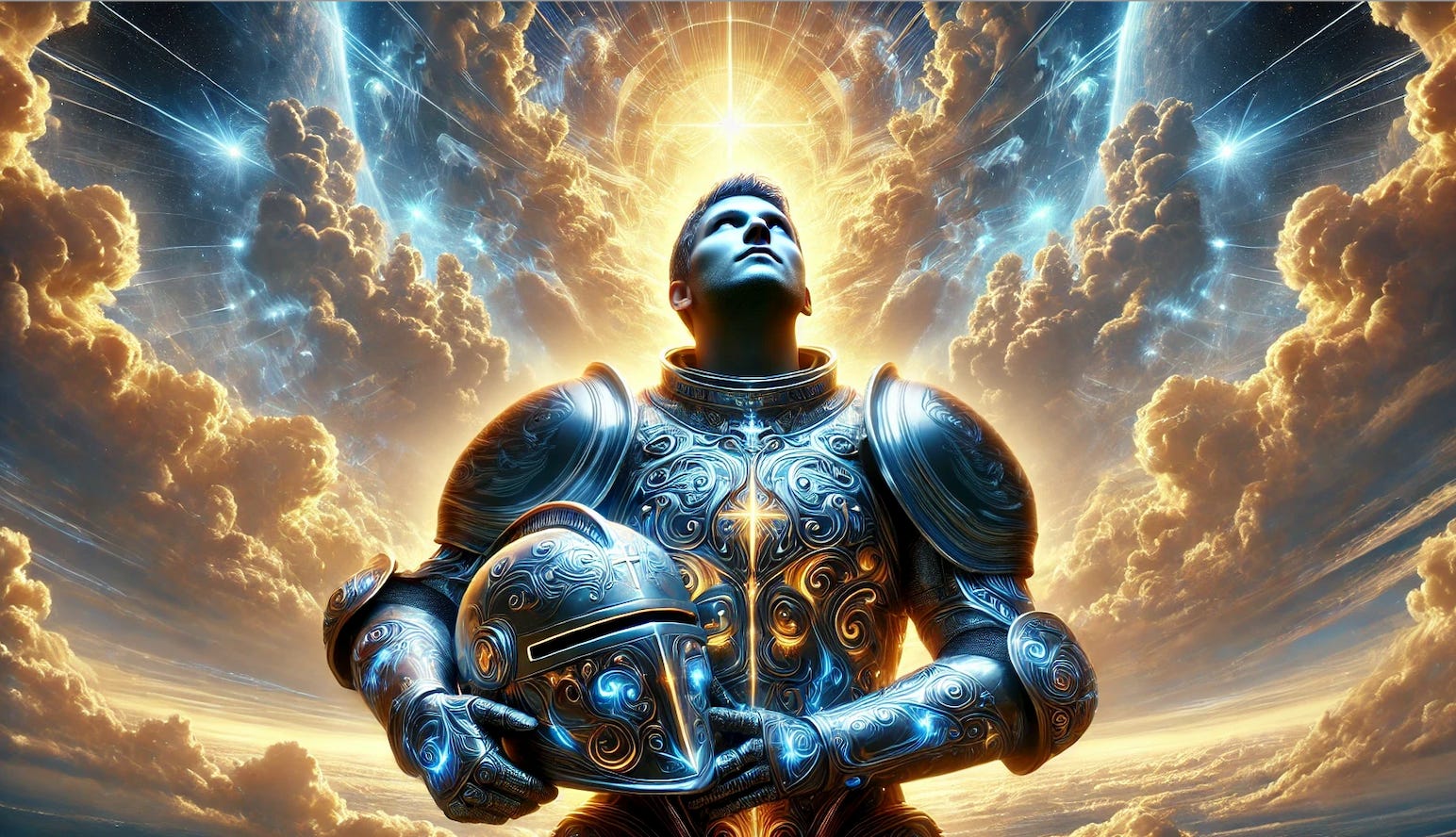
“Put on the whole Armor of God . . .” (Ephesians 6:11)
6. St. John is – even now – issuing a call to brave, heroic witness to the values of the Kingdom of Heaven against the values of the earthly empire.
God calls each of us to give courageous witness to our faith without compromise. St. John warns us that we must not risk our eternal salvation in Heaven, for the sake of our own safety, comfort and well-being here on earth.
7. From Grace to Glory: John’s Vision of Human Transformation in Christ
Finally, the Book articulates an inspired and exalted vision of the human person transformed by God’s Grace. John’s visions offer a deeply spiritual and powerful corrective in a post-modern era that would build a world without God.
Ours is a time when there is more and more talk of the “post-human” and the “transhuman,” and some would go so far as to speak of the human person as a “hackable animal.”
In sharp contrast, John articulates an inspiring and compelling vision of the human person transformed, “angelified,” or “divinized” through the power of the Holy Spirit and a life of courageous witness to the values of the Gospel, as we see particularly in the “Promises to the Victors” in Revelation, Chapters 2-3.
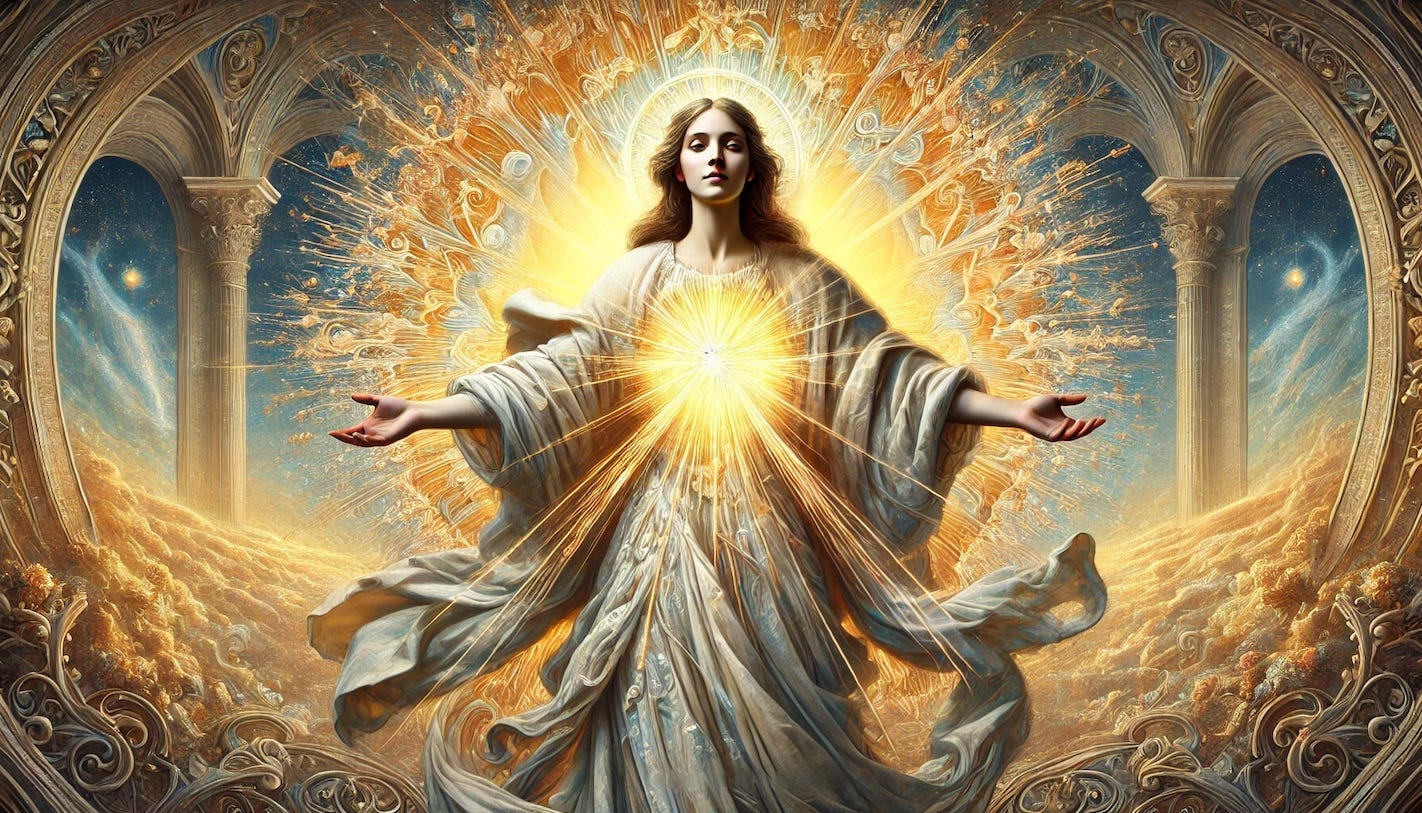
We are Transformed through the Power of the Holy Spirit.
Archimedes once said:
Give me a place to stand and I shall move the world.
John’s visions offer us spiritual “place to stand” above the sorrows and the illusions of this passing world.
St. John invites us - through the power of the Holy Spirit - to gaze with him through an open door to Heaven (Rev. 4:1). His visions lead us to contemplate God’s world as we gain clarity upon our place in this world, and are transformed in the process.
In my next post, I invite you to watch the full hour-long video: The Christ of the Apocalypse, produced by the National Catholic Broadcasting Council, where I offer some reflections on the following questions:
How do we interpret the Apocalypse?
Do we interpret St. John literally?
Is the Apocalypse about the End of the World?
Or is it about the beginning of a New Creation?
If you are a Go in Peace subscriber, you will automatically receive each of Msgr. Nusca’s Substack articles as soon as they are posted.
*An earlier version of this post was published on Msgr. Nusca’s website.
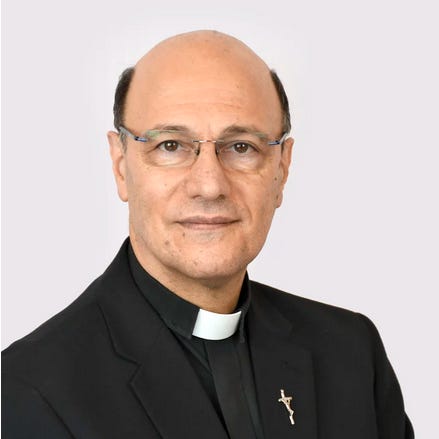
Msgr. Nusca is a Priest of the Archdiocese of Toronto, currently serving as President of St. Augustine’s Seminary of Toronto. He is a Senior Fellow of the St. Paul Center for Biblical Theology.
Go in Peace —and Glorify the Lord by your Life.

Thank you for the overview of "Revelations" Monsignor Nusca! Very helpful!!
Kim
Didn't Pope Leo say you shouldn't use AI Generated imagery ESPECIALLY for spiritual and religious art? Why is this article full of it?