Lessons from St. Ignatius of Loyola
Introducing The Five-Step Ignatian Examen: Part 2
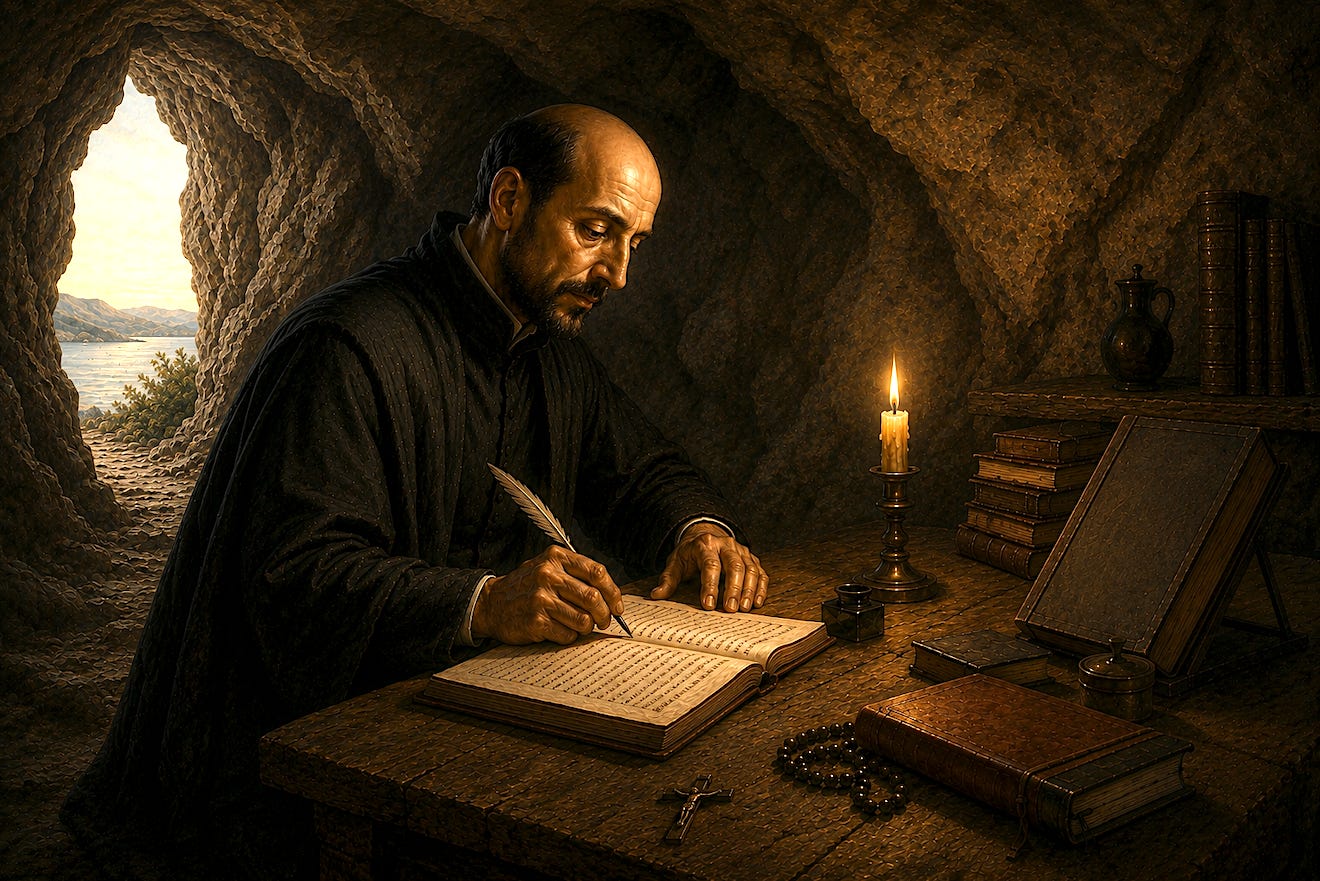
St. Ignatius of Loyola: Writing the Examen
By: Fr. Henk Van Meijel, SJ ©
The Examen: Part 2
Review: The Examen is a spiritual practice developed by Saint Ignatius of Loyola to help us become more aware of God’s presence in our daily lives. It is not just a method, but an attitude, a way of reviewing our day with gratitude, insight and hope.
The five steps are:
Ask God for light. Invite God to be with you and to help you see the day through his eyes.
Give thanks. Express gratitude for the gifts and blessings of the day.
Review the day. Reflect on your interactions and emotions throughout the day.
Face your shortcomings. Acknowledge where you fell short and seek growth.
Look toward the day to come. Consider how you will respond to God’s love tomorrow.
We have reviewed the first two steps in Part 1. We continue to Steps 3, 4 and 5.
Review the Day
We review our previous day and look first of all to today with gratitude, at all those people who have touched our heart: maybe a spouse or friends, or family. And we look at all those we interacted with and give God thanks for those people who have touched hearts.
In step three: Review the Day.
And we should also ask:
Why did this person touch my heart in such a way?
What was God telling me through that person?
And then we gently move to the more difficult interactions we had in the last 24 hours, and to take one of those interactions and to really sit with it.
What was said?
How did you react?
Were you reacting out of emotions without thinking about your answers?
What was the body language like of the person you were interacting with?
What was your body language like?
Was it defensive or welcoming?
Because we also speak very much with our bodies, and again, maybe we should examine these thoughts: what was happening?
And we need to take our time to learn from those interactions, to take our time and to say, as we review a difficult encounter: “what did I learn”?
How would I do it next time if I ran into this person? Maybe I’d start with an apology to say: “Hey, I was not listening to you, but how can I make things better?”
And I suggest you look at that encounter — especially in a neutral way — to examine how God would look at it.
The idea is to learn from our interactions.
Face your Shortcomings
And this is very difficult for most people to look at - our shortcomings or character defects, as in the AA movement it would be called. But I prefer to use “shadows”. What are shadows? Something we learn from, early on in our lives. What keeps holding us back to being the best we can be?
In step four: Face your Shortcomings, your Shadows
That’s why it’s so important to learn from our encounters.
So for example, someone who is very detailed, say someone who is a bookkeeper or accountant who has to be very detailed in the job, which also will become a shadow in their life, as they have to have everything perfect order; everything has to be just so - in its place, which can be really disturbing to others.
We should not forget that we have some great God given gifts so we can live better lives, especially in our communities, especially as those gifts merit our families or at work.
Again, it’s so important to write in a journal and to get in touch with what is happening and to take time to listen to our hearts.
It is especially important as Roman Catholics. It is so often ingrained in us that we are bad and we’re probably going to go basically to the place of a big fire, because we are just a bad person. But it is about putting that aside - and remembering that our God is a loving God.
God loves each one of us, as we noted in each of the first few steps.
Our God is one who you cannot disappoint, a God who is there, and He desires that we learn from our own shortcomings, that we learn from our shadows and take responsibility for them - and to learn from those lessons.
So now let us take a few moments to review our shadows - those things that hold us back at being the best person we can be. And maybe we can journal our thoughts and ultimately reflect on our lives.
Look Toward the Day to Come
One of the things, but is also so important as we look to our own self-care.
Are we getting enough exercise?
Are we in touch with what’s happening in our emotional state?
Are we wound up, or is something or somebody getting under my skin?
Am I taking care of myself in all ways?
So, for example, if I’m really wound up or people are getting under my skin, I have to remove myself and go for a little walk in nature to calm myself down.
Step five: Look toward the day to come.
It is so important. And as we look forward to the next day, we need to take that time to gently look at our lives and to make decisions as we look forward to the day.
How will I engage with those I’m struggling with?
How will I engage with my own spouse?
How will I engage with my children, and those with whom I work?
How can I make that environment better?
And are we working together to build the Kingdom of God?
And this is not easy work, but it is very important that we’re gentle with ourselves, that we’re not beating ourselves up.
And hopefully this will help you along your own life, in your busy life, to grow closer to God.
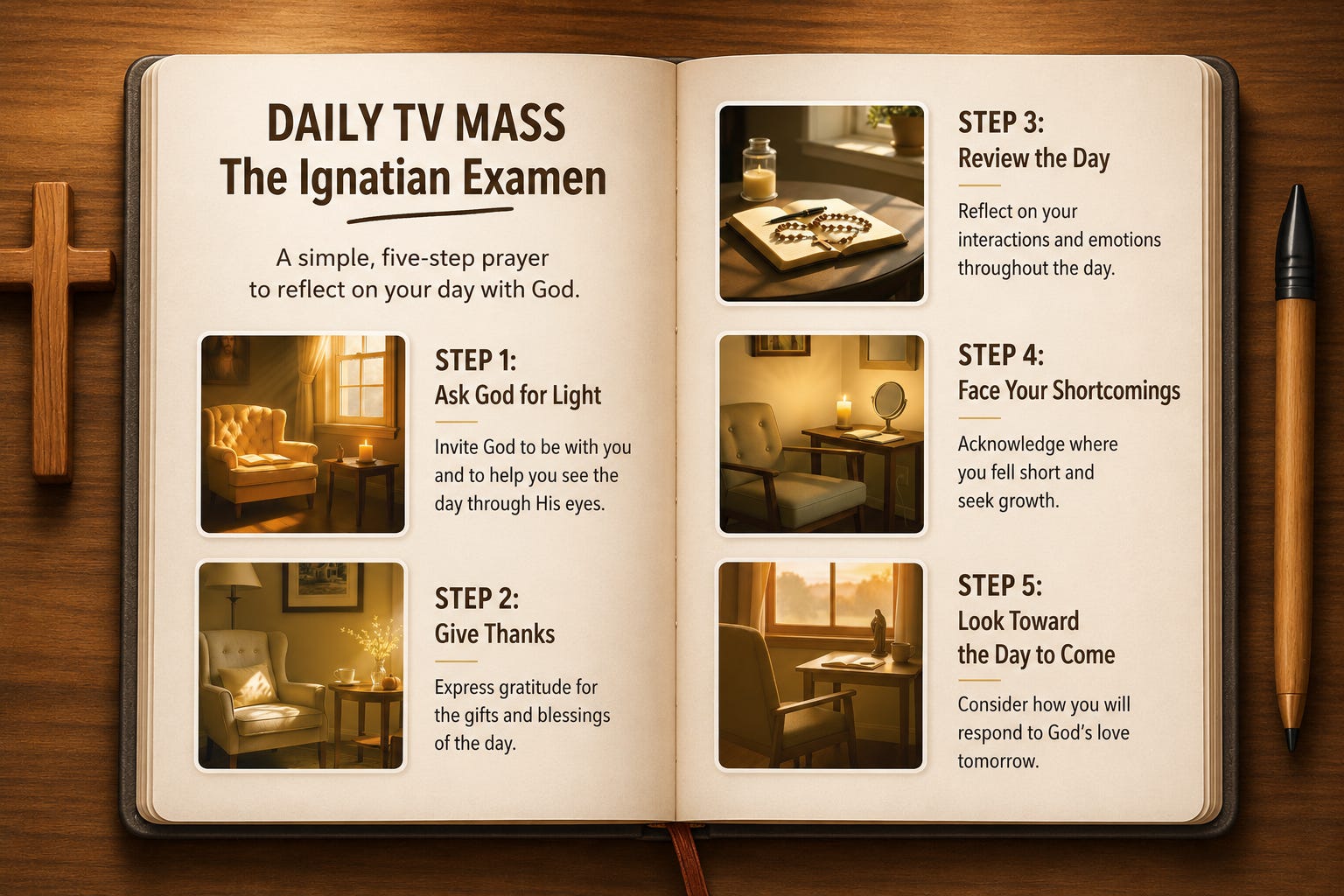
The Ignatian Examen in Five Steps
Go in Peace —and Glorify the Lord by your Life.
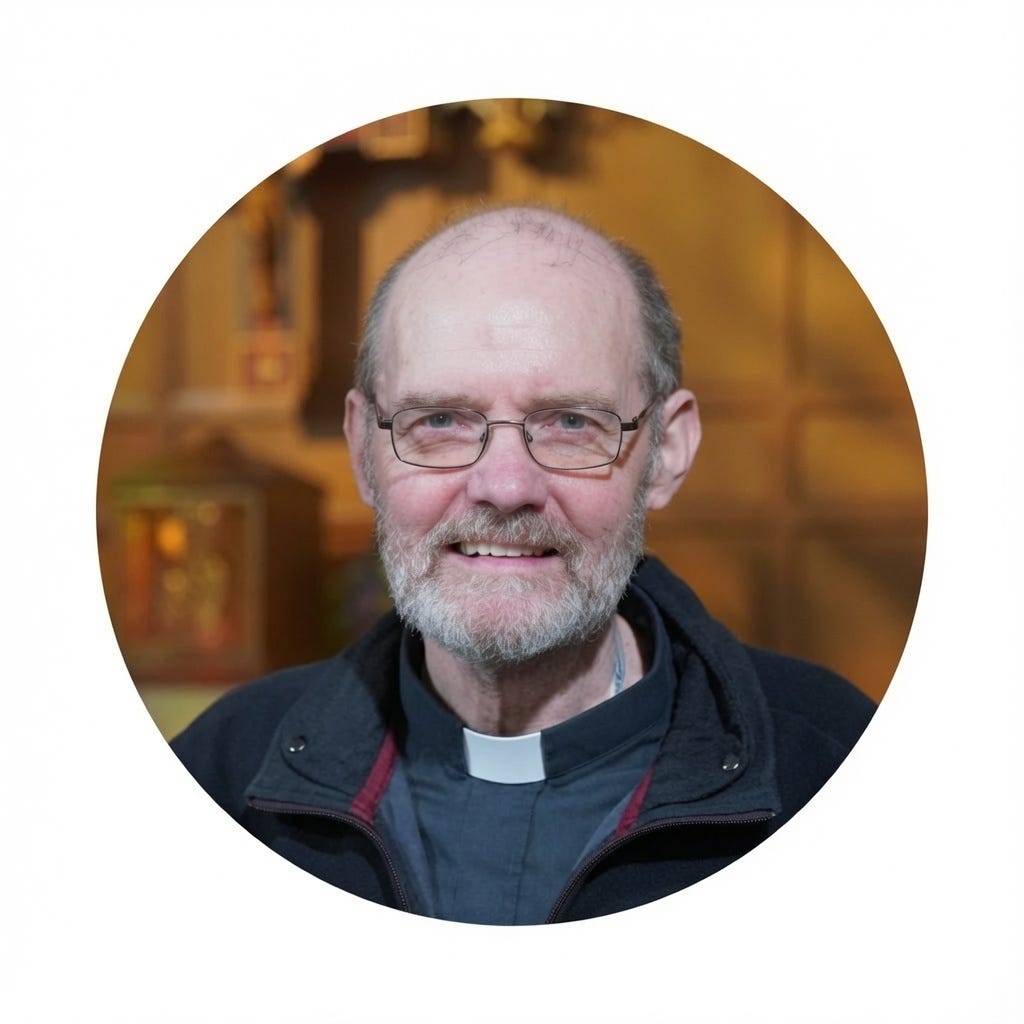
Fr. Henk van Meijel, SJ is the Director of Manresa Jesuit Spiritual Renewal Centre, in Pickering, Ontario.